
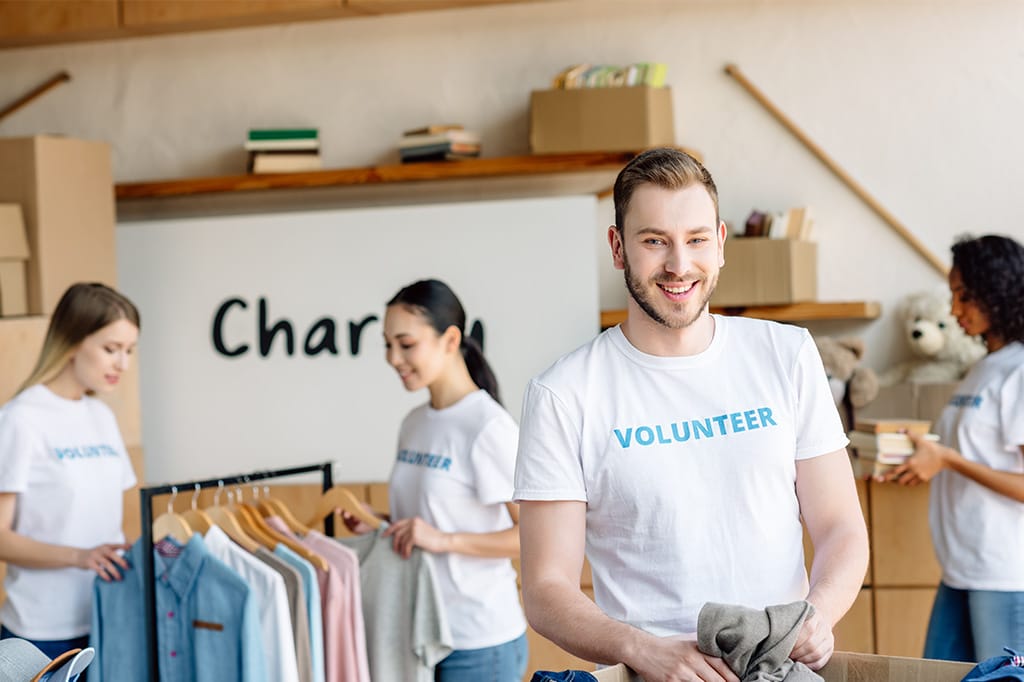
It’s rewarding to clear out your wardrobe and pass on items you no longer need. When it comes to responsible textile disposal, you generally have two main choices in Chorley: the traditional charity shop or a modern clothes collector service.
Understanding where to send your clothing involves weighing up convenience, environmental impact, and whether direct charity funding is important to you.
Assessing Your Options
The Traditional Charity Shop
Charity shops have been central to the British high street for decades. They happily receive bags of clothing, accessories, and sometimes household goods, which are then sold in their stores. The revenue generated goes directly to support the charity’s cause. The enduring appeal of these shops is their local feel and contribution to community life.
Pros:
- Funding Causes: Donating items ensures that the profits from their sale contribute directly to social, health, or environmental projects run by the charity.
- Local Involvement: Charity shops often act as local hubs, providing volunteering opportunities and encouraging community engagement.
- Gift Aid Potential: UK taxpayers can sign up for Gift Aid, allowing the charity to claim an extra 25p for every £1 your donation raises from the government.
Cons:
- Quality Restrictions: Shops must sell what they receive, meaning they often have strict rules and may reject items that are not in saleable condition or are damaged.
- Logistical Effort: You must physically transport your bags to the shop during their opening hours, which can be difficult if you have a large volume or lack local access.
Online Clothing Collection Service
Clothes collector services (often scheduled online) offer a streamlined, environmentally conscious method for dealing with unwanted textiles. Their primary focus is ensuring maximum reuse, significantly extending the life cycle of clothing and promoting sustainability within the fashion industry.
Pros:
- Supreme Convenience: You can easily book a collection from your home at a time that suits you, eliminating the need to haul heavy bags to a physical location.
- Prioritised Reuse: These services are dedicated to finding new owners for collected clothing, ensuring garments are worn to their fullest potential and reducing the overall demand for new textile manufacturing.
- Environmental Contribution: Every piece of clothing successfully reused means less textile waste going to landfill, directly contributing to reduced production impact and lower carbon emissions.
Cons
- Indirect Charity Funding: Proceeds from these services do not typically go to a specific charity. However, the mission is firmly centred on environmental and circular economy benefits.
- Less Face-to-Face Contact: While offering a practical solution, it naturally provides less opportunity for the kind of personal community interaction found in high street shops.
What’s the Best Fit for Your Old Clothes?
The optimal choice depends on balancing your priorities between community support, environmental impact, and sheer ease of use.
For Charity Shops:
These establishments offer a valuable avenue for recycling clothes, providing funds for essential services, and fostering local community ties.
- Community Impact: Your donations directly support specific charitable endeavours.
- Local Recycling: Keeps clothing within the community and away from landfill.
- Consideration: Stock levels can fluctuate, sometimes leading to shops temporarily stopping or limiting what they can accept.
Online Clothing Collection Websites
An online clothing collection service like ours offer a highly efficient and reliable process focused squarely on customers.
- Maximised Reuse: We are committed to ensuring that every garment is reused or recycled, extending its lifecycle and reducing environmental impact.
- Convenience and Efficiency: Our service picks up directly from your doorstep, saving you time and effort, and we accept a wide range of clothing conditions.
- Broader Impact: By choosing our service, you contribute to larger environmental goals, such as decreased textile waste and reduced carbon emissions.
- Reliability: Unlike some charity shops, we don’t face issues with overstocking and can consistently accept donations, ensuring your items are always put to good use.
Making the Final Decision
Your choice ultimately hinges on your personal values. If your chief concern is giving financial support to a charitable cause and engaging locally, the traditional charity shop is the ideal route.
However, if you prioritise the highest certainty that your items will be accepted, want maximum convenience, and place significant value on large-scale environmental sustainability and the circular economy, a modern clothes collector service is likely the better option.
Both methods are incredibly worthwhile and play a crucial part in promoting clothing reuse and reducing textile waste, contributing to a more sustainable future across the board.