
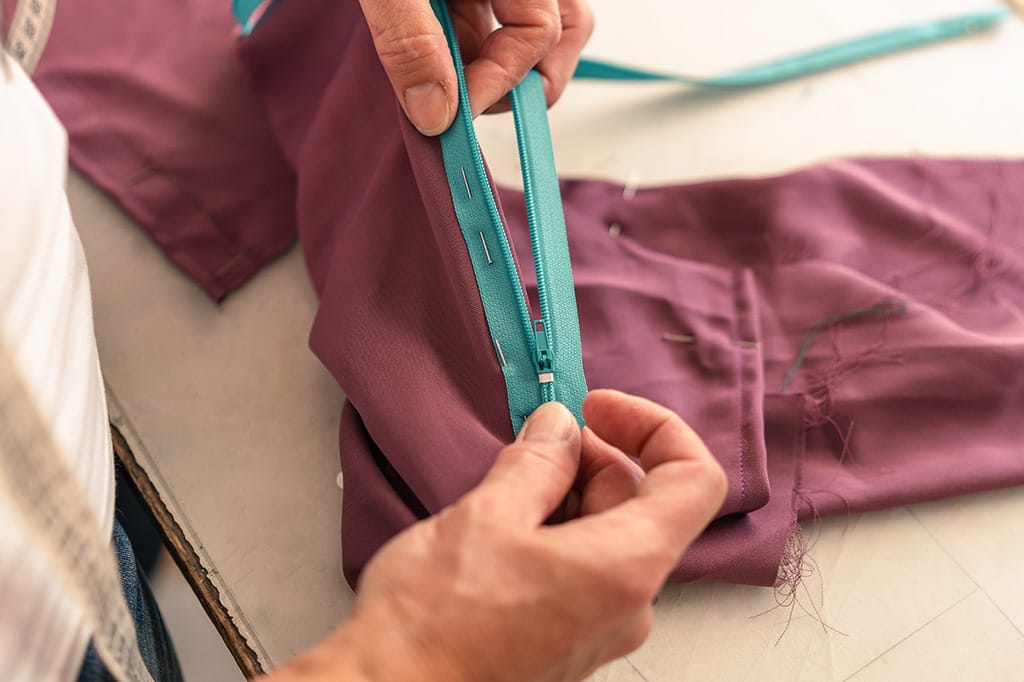
Keeping your most cherished clothing items in regular use is a smart move, not only for your budget but also for the health of our planet. Every time you mend an item instead of discarding it for a replacement, you’re actively cutting down on landfill waste and reducing the consumption of resources needed for new production. This guide will walk you through a few straightforward, at-home repair techniques that anyone can master, ensuring your favourite garments stay in your rotation for years to come.
The Upside of At-Home Clothing Repairs
Before we look at the ‘how-to,’ let’s acknowledge why simple domestic repairs are so powerful:
- Environmental Responsibility: Extending the active life of your clothes directly lowers demand and waste, supporting a more sustainable wardrobe.
- Economical Choice: Fixing an item typically costs a fraction of the price of purchasing something new.
- Creative Enhancement: Small DIY repairs offer an opportunity to subtly customise your apparel, giving it a distinct and personal flair.
Essential Kit for Clothing Repair
To start your mending journey, you only need a fundamental repair collection. Here’s a basic inventory:
- Sewing needles: A variety of sizes for different fabric types.
- Thread: In various colours to match your clothes.
- Scissors: Sharp ones for clean cuts.
- Seam ripper: To easily undo mistakes or remove old stitches.
- Measuring tape: For accuracy in fitting and cutting.
- Iron: Helpful for smoothing out fabrics before and after repairs.
- Pins or clips: To hold fabric in place while you work.
Quick Fixes to Prolong the Life of Your Favourites
1. Reattaching a Fastener (Button)
Buttons frequently pop off, especially on frequently worn pieces. Securing a button is a quick win:
- 1 – Prep: Double-thread your needle and tie a secure knot at the end.
- 2 – Anchor: Push the needle through the back of the fabric to the front where the button will sit.
- 3 – Stich: Pass the needle up through one buttonhole, then back down through the opposite, going through the fabric.
- 4 – Secure Repeat this process several times for durability, creating a tight finish before knotting the thread on the fabric’s underside.
2. Repairing a Dropped Hemline
A loosened cuff or hem is a common issue but incredibly simple to rectify:
- Step 1: Fold the fabric edge up to the desired length and use an iron to create a sharp, flat crease.
- Step 2: Use pins to firmly hold the folded hem in its correct position.
- Step 3: Use a simple running stitch or a blind (slip) stitch for an invisible mend. Choose a thread that blends seamlessly with the garment.
3. Covering Small Tears and Holes
Patchwork is an ideal solution for denim, knitwear, or any casual item:
- Step 1: Choose a piece of fabric for your patch—either a perfect match for invisibility or a contrasting texture for a deliberate, stylish look.
- Step 2: Trim the patch so it is slightly larger than the damaged area.
- Step 3: Position the patch behind the hole and pin it securely in place.
- Step 4: Stitch around the entire perimeter of the patch, using a wide zigzag stitch for maximum strength and fray prevention.
4. Closing a Split Seam
When a seam gives way, it is often the quickest fix of all:
- Step 1: Turn the garment inside out to expose the original seam line.
- Step 2: Pin the two separated fabric edges closely back together.
- Step 3: Sew carefully along the path of the existing stitching, removing the pins just before the needle reaches them.
- Step 4: Knot your thread firmly and trim the excess yarn cleanly.
Post-Repair Care for Longevity
Once your clothes are repaired, maintaining them correctly is vital for their continued wearability. Always wash mended items using a gentle cycle, avoid excessively high heat in the tumble dryer, and store them properly to prevent repeated damage.
Embracing DIY clothing repair is a fulfilling skill that not only saves money but also supports a more sustainable way of life. By mastering a few fundamental techniques, you can enjoy your treasured pieces for much longer, whether you’re mending in Chorley or elsewhere, while reducing the environmental impact one well-placed stitch at a time. This simple practice complements the great work done by local organisations, like your favourite clothes collection in Chorley, making textile waste a thing of the past.